In order to have a balanced quality of life, it is necessary to embrace measures that will ensure well-being in your daily life. In this regard, understanding the connection between food and mental health is essential to understanding how your menu influences your emotional state.
This is due to the fact that the quality and type of food eaten can directly affect mood, disposition and productivity. Therefore, a balanced diet ensures brain health.
So, if you are looking to have good mental health, see here the ways to achieve a more balanced life!
Food VS mental health
Food and mental health are interconnected when it comes to eating patterns and emotional state. In this relationship, the type of diet adopted by any given person can determine the quality of psychological well-being, while mental conditions can influence menu choices.
People who are struggling with stress, anxiety or depression often turn to food for relief – a phenomenon known as emotional eating . This behavior can result in disordered eating patterns , such as overeating high-calorie, low-nutrient foods.
On the other hand, others suffer from a lack of appetite, which also harms the quality of their mental health, creating a negative cycle of relationship with food.
Therefore, unbalanced diets and irregular behaviors can intensify psychological problems, such as anxiety and binge eating, increasing feelings of guilt and even frustration.
How Diet Affects Brain Functioning
The brain relies on glucose – a form of sugar – as its primary energy source. This compound is crucial to neuron function and neurotransmission.
Nevertheless, while sugar is mostly at fault for this process, both simple carbs (vegetables and fruits) and complex carbs (legumes and grains) are crucial to the proper operation.
In this regard, it is worth noting that the brain cannot consume glucose from any food source. Excessive consumption of sweets and processed foods can negatively stimulate the brain, creating a possible addiction. This happens due to the feeling of reward that is generated by eating sugar , relieving stress and anxiety.
As much as it alleviates the symptoms of mental illness, this habit contributes to the development of illnesses, such as diabetes , and can also create harmful behavior patterns to deal with the problems mentioned above.
Furthermore, food choices have a profound impact on mental health. Among the possible negative effects of an unbalanced diet are disorders, which can arise from inappropriate behaviors and dietary patterns , some of which are:
- Anorexia.
- Bulimia.
- Binge eating.
Food choices for your mental health
You may have heard the saying “you are what you eat,” and that’s not just a popular expression. Food choices directly influence health and quality of life , and a balanced and nutritious diet is essential to ensure physical and mental well-being.
Therefore, it is important to be aware of the foods and drinks that should be avoided. Alcohol, for example, affects the central nervous system , resulting in insomnia and hangovers. Likewise, excessive caffeine consumption can lead to tachycardia and anxiety.
Furthermore, processed, refined and processed foods have the potential to cause cancer and deteriorate intestinal health . Furthermore, lack of water is an important factor to consider, as it can cause mood changes and affect overall well-being.
In the long run, extremely restrictive diets culminate in deficiency of nutrients and, in the short term, result in rebound effect. For this reason, taking a balanced approach to diet, ensuring an adequate supply of all nutrients, is important for maintaining mental well-being.
The importance of a balanced diet for emotional well-being
The key to maintaining food and mental health in good standing is to eat a balanced diet. Naturally, food with the nutrients aids mood, aids in brain stimulation, and reduces symptoms of such problems as anxiety and depression.
Maintaining habits that promote mental health is essential; some initiatives can help, such as:
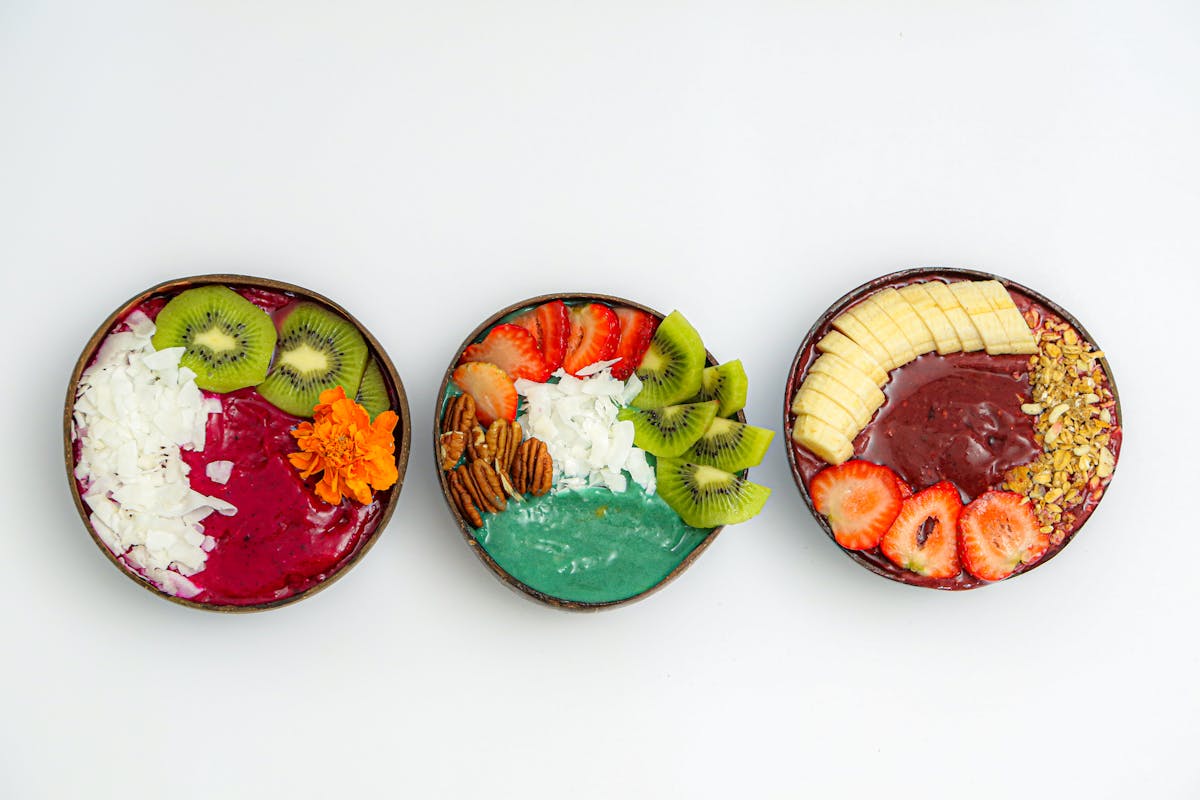
- Include fruits, vegetables and greens.
- Avoid fast foods and ultra-processed foods.
- Consume foods rich in omega-3.
- Incorporate foods rich in fiber.
- Drink plenty of water.
Taking care of your mind starts with making good decisions. By making sure you have a balanced diet and avoiding as much processed food as possible, you’re creating a healthy and balanced mind an actual reality. Every little bit counts, giving more energy to your daily life!